The Science Behind Effective Mold Removal in Newport Large Facilities
Large facilities in Newport—schools, hospitals, warehouses, and hotels—present unique mold remediation challenges. The science behind effective removal combines containment, advanced filtration, and precise moisture control to prevent recurrence. Understanding these principles ensures safer, long-term solutions.
Why Large Facilities Are High-Risk for Mold Growth
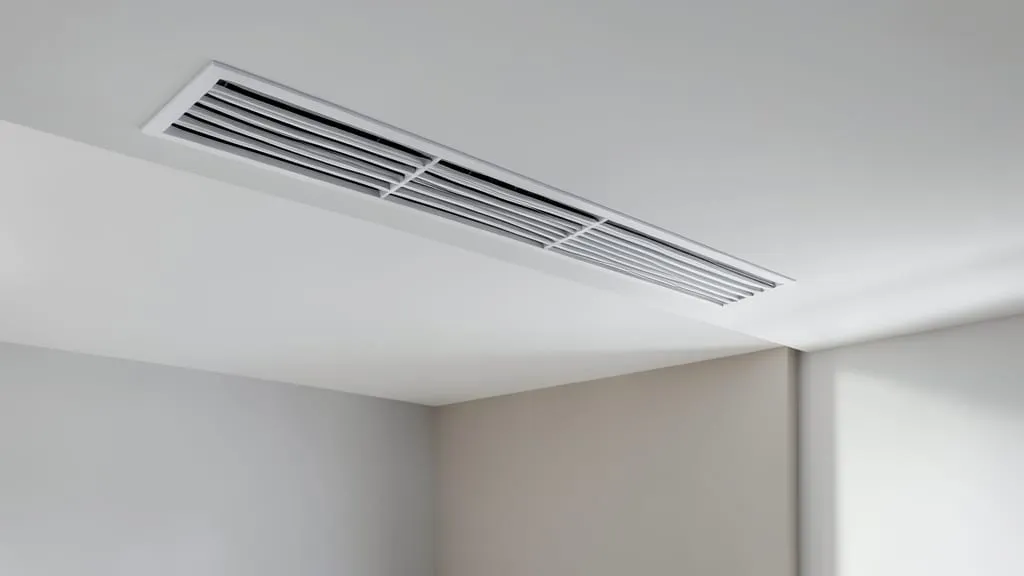
Commercial and institutional buildings often have complex HVAC systems that can spread spores undetected. Poorly maintained ductwork or improper ventilation creates ideal conditions for mold colonization.
High-occupancy areas like schools and hospitals generate moisture from breathing, cooking, or cleaning. Without proper dehumidification, relative humidity can exceed 60%, accelerating mold growth on walls, ceilings, and furniture.
Water intrusion from roof leaks, pipe bursts, or storm damage in coastal Newport can go unnoticed in large structures. Hidden moisture behind drywall or in crawl spaces fuels mold blooms before visible signs appear.
The Role of Containment in Commercial Mold Remediation
Containment barriers isolate the affected area to prevent cross-contamination. In large facilities, this often involves plastic sheeting sealed with tape and negative air pressure machines to pull airborne spores into HEPA filters.
For extensive infestations, multiple containment zones may be established. A “clean” zone for workers, a “buffer” zone for equipment, and a “contaminated” zone where active remediation occurs.
Improper containment can lead to spores spreading through HVAC systems to unaffected areas. This is a common pitfall in DIY or rushed remediation efforts.
Never run HVAC systems during remediation unless they’re part of a controlled negative air setup. Spores can travel rapidly through ductwork, worsening the problem.
HEPA Filtration and Air Scrubbing: The Science of Spore Removal
HEPA (High-Efficiency Particulate Air) filters capture 99.97% of particles as small as 0.3 microns, including most mold spores. Air scrubbers equipped with HEPA and activated carbon filters remove spores and volatile organic compounds (VOCs) from the air.
In large spaces, multiple air scrubbers may be deployed to achieve sufficient air exchanges per hour. The goal is to reduce airborne spore counts to levels comparable to outdoor air.
Post-remediation, air scrubbers often remain in place during clearance testing to ensure spore levels stay low. This step is critical before reoccupying the space.
Porous vs. Non-Porous Materials: What Can Be Saved?
Porous materials like drywall, insulation, carpet, and ceiling tiles often require removal if moldy. Spores penetrate deep into these materials, making complete cleanup impossible without demolition.
Non-porous surfaces such as metal, glass, or sealed concrete can typically be cleaned with antimicrobial solutions. Wire brushing or sanding may be needed for rough surfaces like cinder block or brick masonry.
| Material Type | Remediation Approach | Notes |
|---|---|---|
| Drywall | Remove and replace | Cut at least 12-18 inches beyond visible mold |
| Insulation | Remove and replace | Fiberglass and cellulose hold spores permanently |
| Concrete | HEPA vacuum + antimicrobial | Seal after cleaning if in high-moisture areas |
| Metal Ductwork | HEPA vacuum + antimicrobial wipe | Inspect for rust or pitting that traps spores |
| Carpet | Remove and replace | Subfloor may also require treatment |
| Sealed Wood Furniture | HEPA vacuum + antimicrobial | Test for structural integrity post-cleaning |
Moisture Control: The Key to Preventing Recurrence
Mold cannot grow without moisture. In Newport’s humid climate, dehumidifiers are essential in large facilities to maintain relative humidity below 50%. Industrial-grade units may be needed for warehouses or basements.
Moisture meters and thermal imaging cameras help identify hidden water sources. These tools map moisture in walls, floors, and ceilings, guiding targeted drying efforts.
Fixing the root cause—leaky roofs, plumbing, or poor drainage—is non-negotiable. Without addressing water intrusion, mold will return regardless of remediation quality.
Newport’s coastal humidity spikes in summer and fall. Use hygrometers in storage areas, crawl spaces, and mechanical rooms to catch moisture issues early.
Clearance Testing: Verifying Remediation Success
Post-remediation verification (PRV) involves visual inspection, moisture mapping, and air or surface sampling. Third-party industrial hygienists typically conduct this testing to avoid conflicts of interest.
Air sampling compares indoor spore counts to outdoor baselines. Surface sampling (tape or swab) checks for residual mold on materials. Both must meet predefined clearance criteria.
Clearance testing should occur after all drying, cleaning, and repairs are complete but before reoccupying the space. Failed tests mean revisiting containment or cleaning protocols.
Special Considerations for Newport’s Coastal Climate
Salt air accelerates corrosion and can degrade building materials, creating entry points for moisture. Regular inspections of exterior envelopes—especially in waterfront properties—are critical.
Storm surges and flooding from hurricanes or nor’easters can introduce seawater into basements or ground floors. Saltwater requires additional cleanup steps to prevent long-term damage.
Facilities near Narragansett Bay or the Atlantic may need enhanced ventilation systems to combat persistent humidity. Desiccant dehumidifiers are often more effective than refrigerant types in these environments.
How to Prepare a Large Facility for Professional Mold Remediation
Proper preparation minimizes disruption and ensures the remediation process is efficient and thorough.
- 1Evacuate and Isolate the Area
Remove occupants and seal off the affected space with plastic sheeting. Turn off HVAC systems serving the area to prevent spore spread.
- 2Document the Damage
Take photos and notes of all visible mold, water damage, and moisture sources. This aids in insurance claims and post-remediation verification.
- 3Remove or Cover Furnishings
Relocate movable items like furniture, equipment, or inventory. Cover immovable items with plastic to protect them from dust and spores.
- 4Address Immediate Water Sources
Stop active leaks and extract standing water. Use pumps or wet/dry vacuums for flooding, and deploy fans or dehumidifiers to begin drying.
- 5Notify Stakeholders
Inform building managers, tenants, or employees about the remediation timeline and safety protocols. Clear communication prevents accidental exposure.
- 6Schedule Clearance Testing
Arrange for post-remediation testing with a certified industrial hygienist to confirm the space is safe for reentry.
Frequently Asked Questions
How long does commercial mold remediation take in a large Newport facility?
Timelines vary based on the size of the infestation, materials affected, and drying requirements. Small, contained areas may take 3–5 days, while large-scale projects in warehouses or schools can span weeks. Moisture control and clearance testing add time but are non-negotiable for safety.
Can mold in HVAC systems be cleaned, or does the ductwork need replacement?
Metal ductwork can often be cleaned with HEPA vacuuming and antimicrobial treatments if the mold is surface-level. However, if insulation inside ducts is moldy, it must be removed and replaced. Flexible ductwork is typically replaced due to its porous nature.
What’s the difference between mold removal and mold remediation in commercial settings?
Mold removal refers to the physical cleanup of mold from surfaces. Remediation is a comprehensive process that includes removal, containment, moisture control, and prevention strategies to ensure mold doesn’t return. Commercial remediation often involves engineering controls like dehumidifiers or improved ventilation.
Are there specific regulations for mold remediation in Rhode Island schools or hospitals?
Rhode Island follows EPA and OSHA guidelines for mold remediation in public buildings. Schools and hospitals may have additional protocols due to vulnerable populations. Always consult a professional familiar with state and local health department requirements.
How do you prevent mold in Newport’s historic buildings with poor ventilation?
Improving airflow without damaging historic structures is challenging. Solutions include installing standalone dehumidifiers, using moisture-resistant materials in renovations, and adding discreet exhaust fans in bathrooms or kitchens. Regular inspections for leaks or condensation are critical.
Is black mold more dangerous in large facilities than in homes?
Stachybotrys chartarum (black mold) produces mycotoxins that can pose health risks, especially in large facilities with high occupancy. The danger lies in prolonged exposure, which is more likely in schools, offices, or hospitals where people spend extended time. Prompt, professional remediation is essential.