Post-Remediation Verification in Newport: Your Last Line of Defense Against Recurring Mold
Mold remediation isn’t complete until you’ve confirmed the problem is truly resolved. Post-remediation verification (PRV) is the critical final step that separates a temporary fix from a lasting solution—especially in Newport’s humid, coastal climate, where spores thrive and rebound quickly.
Why Post-Remediation Verification Is Non-Negotiable
Skipping PRV leaves you blind to lingering spores or hidden moisture that can reignite growth within weeks. In coastal Rhode Island, humidity and seasonal storms mean even a small oversight can lead to a full-blown recurrence.
PRV isn’t just a formality—it’s a scientific validation that remediation met industry standards (EPA, IICRC) and that indoor air quality is safe for occupants, pets, and sensitive groups like children or immunocompromised individuals.
What Post-Remediation Verification Actually Involves
Our team conducts a visual inspection of all remediated areas, including attics, crawl spaces, basements, and HVAC systems. We look for signs of residual mold, water stains, or condensation that could indicate unresolved issues.
Next, we deploy air and surface sampling to measure spore counts and compare them to outdoor baselines. Elevated indoor levels signal incomplete remediation or cross-contamination.
Moisture mapping with thermal imaging and hygrometers ensures no hidden dampness remains in walls, subfloors, or ductwork—common culprits in Middletown, Portsmouth, and Jamestown homes near the water.
Core PRV Steps
- Visual reassessment of all remediated zones
- Air sampling for spore count comparison
- Surface swabs for hidden mold detection
- Moisture mapping with thermal imaging
- HVAC system inspection for contamination
- Third-party lab analysis of samples
PRV vs. Standard Mold Testing: Key Differences
Standard mold testing identifies a problem; PRV confirms it’s been resolved. Testing happens before remediation to scope the issue, while PRV occurs after to validate the fix.
PRV also includes a review of the remediation process itself—did the team follow protocols for containment, HEPA vacuuming, and antimicrobial treatments? In Newport East or Melville, where older homes dominate, this step is vital.
| Aspect | Mold Testing | Post-Remediation Verification |
|---|---|---|
| Purpose | Identify mold presence and type | Confirm remediation success |
| Timing | Pre-remediation or during inspection | After remediation is complete |
| Scope | Focuses on problem areas | Covers all remediated zones + adjacent areas |
| Actionable Data | Guides remediation plan | Validates clearance and safety |
| Lab Analysis | Identifies species and spore counts | Compares pre/post counts to outdoor baselines |
When to Schedule Post-Remediation Verification
PRV should occur 24–48 hours after remediation work concludes, allowing time for dust to settle but before new spores can colonize. In humid summer months, we often recommend testing sooner to mitigate risk.
For commercial properties in Newport or nearby Warwick and Cranston, PRV may be required by insurance or lease agreements before reoccupancy. Always check local and industry-specific regulations.
Red Flags That Demand a Second Look
Musty odors persisting after remediation often indicate hidden mold in wall cavities or under flooring. In older neighborhoods like Narragansett Pier or Wakefield-Peace Dale, this is especially common.
Visible mold returning within weeks is a clear sign of incomplete removal or unresolved moisture. Check for leaks in roofs, plumbing, or foundation cracks—frequent issues in Tiverton and Charlestown homes.
Recurring mold or odors mean the root cause wasn’t addressed. Schedule PRV immediately to avoid health risks and structural damage.
The Role of Third-Party Verification
For absolute confidence, we recommend third-party PRV. An independent inspector eliminates bias and provides unbiased clearance, which is critical for real estate transactions or legal disputes in areas like Kingston or Providence.
Third-party verifiers use the same rigorous standards but offer an extra layer of trust. This is particularly valuable for commercial mold remediation in high-stakes environments.
Newport’s Unique Challenges for Mold Recurrence
Our coastal climate means high humidity year-round, with salt air accelerating deterioration in building materials. Homes in Newport and nearby Ashaway or Hope Valley often face moisture intrusion from storm surges or poor drainage.
Older properties with stone foundations or wood-frame construction are prone to hidden mold in basements and crawl spaces. Regular PRV and moisture control are essential for long-term protection.
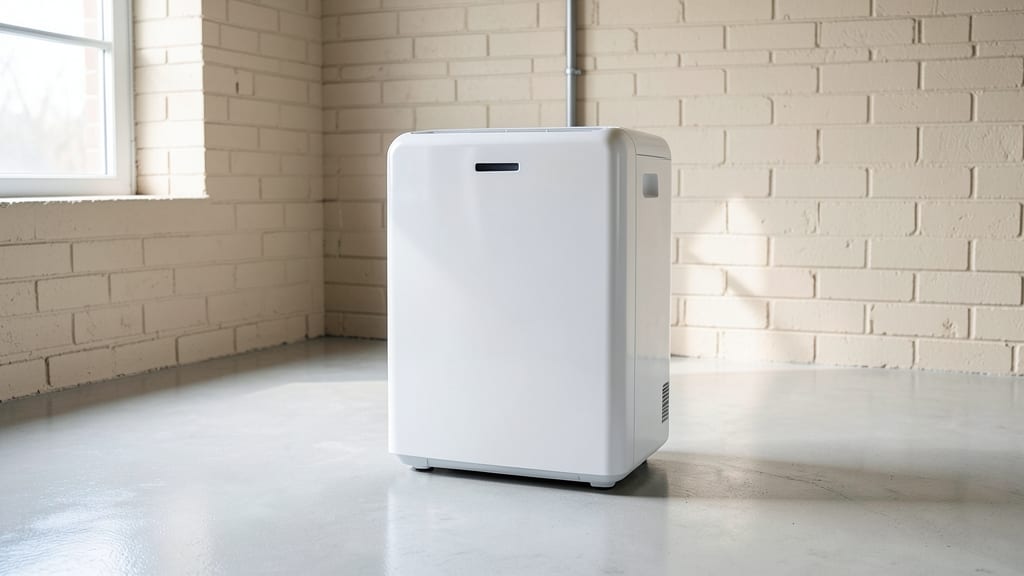
Install a whole-home dehumidifier and monitor humidity levels (ideal: 30–50%). This simple step can prevent 80% of recurrence cases in Rhode Island homes.
What Happens If PRV Fails?
If PRV reveals elevated spore counts or moisture, we don’t walk away. Our team re-assesses the remediation, identifies gaps, and implements corrective actions—whether it’s re-cleaning, additional containment, or addressing a missed water source.
In cases of severe recurrence, we may recommend re-testing for asbestos (common in pre-1980s homes in Weekapaug or Quonochontaug) or other contaminants that complicate remediation.
How to Prepare for Post-Remediation Verification
A smooth PRV process starts with proper preparation.
- 1Clear the Area
Remove all personal items, furniture, and pets from remediated zones. This allows full access for inspection and sampling.
- 2Avoid Cleaning
Don’t vacuum, dust, or use air purifiers for 24 hours before PRV. This ensures accurate spore count readings.
- 3Document Work
Provide our team with remediation records, including moisture maps, product data sheets, and photos of the process.
- 4Address Moisture Sources
Fix any leaks, improve ventilation, or install dehumidifiers before PRV. Unresolved moisture will skew results.
- 5Plan for Occupancy
If PRV passes, wait for the official clearance report before reoccupying the space. For commercial properties, this may be a legal requirement.
Frequently Asked Questions
How long does post-remediation verification take in Newport?
On-site PRV typically takes 1–3 hours, depending on the property size and complexity. Lab analysis adds 1–3 days. We prioritize quick turnaround, especially for time-sensitive situations like real estate closings.
Is PRV required by law in Rhode Island?
Rhode Island doesn’t mandate PRV for residential properties, but it’s often required by insurance companies, lenders, or commercial leases. For peace of mind, we always recommend it—especially in high-risk areas like basements or attics.
Can I do my own post-remediation testing?
DIY test kits lack the precision and chain-of-custody required for professional PRV. They also don’t include visual or moisture inspections. For accurate, defensible results, trust a certified team with proper equipment and lab partnerships.
What’s the cost of post-remediation verification?
Costs vary based on property size, number of samples, and whether third-party verification is needed. Factors include the type of testing (air, surface, bulk), lab fees, and travel time for larger properties in areas like Providence or East Providence. Request a quote for a tailored estimate.
Does PRV cover asbestos or other contaminants?
Standard PRV focuses on mold, but we can bundle asbestos testing if your property is older or you suspect other hazards. This is common in commercial buildings or pre-1980s homes in Newport and surrounding towns.
How often should I schedule PRV after remediation?
After initial PRV, we recommend follow-up testing every 3–6 months for the first year, especially in high-humidity seasons. Annual inspections are wise for properties in flood-prone areas like Tiverton or Narragansett.